

The ROI of Professional Restaurant Interior Design: A Data-Driven Analysis
Hero caption: A delivered dining room — the kind of space that earns its cost back in 18-24 months.
Restaurant owners ask the same question in every market: ‘What is the actual return on paying for professional interior design?’ The honest answer has been ‘it depends’ for decades. In 2026, with POS data, footfall analytics and review-mining all available, we can start to give numbers.
The framework. We isolate three ROI levers a professional design engagement is supposed to move: (a) revenue per square meter, (b) operating cost per cover, and (c) brand asset value (review score + social shareability). Each lever has a measurable proxy.
Lever 1 — Revenue per sqm.
A well-zoned dining room recovers 8-14% of floor area that a default layout would waste on circulation. On a 280sqm room at an average cover price of $42 and a 1.8 seat-turn per service, that recovered area is roughly 22 extra covers per service — call it $925 per service, or $338k per year on a 365-day operation.

Lever 2 — Operating cost per cover.
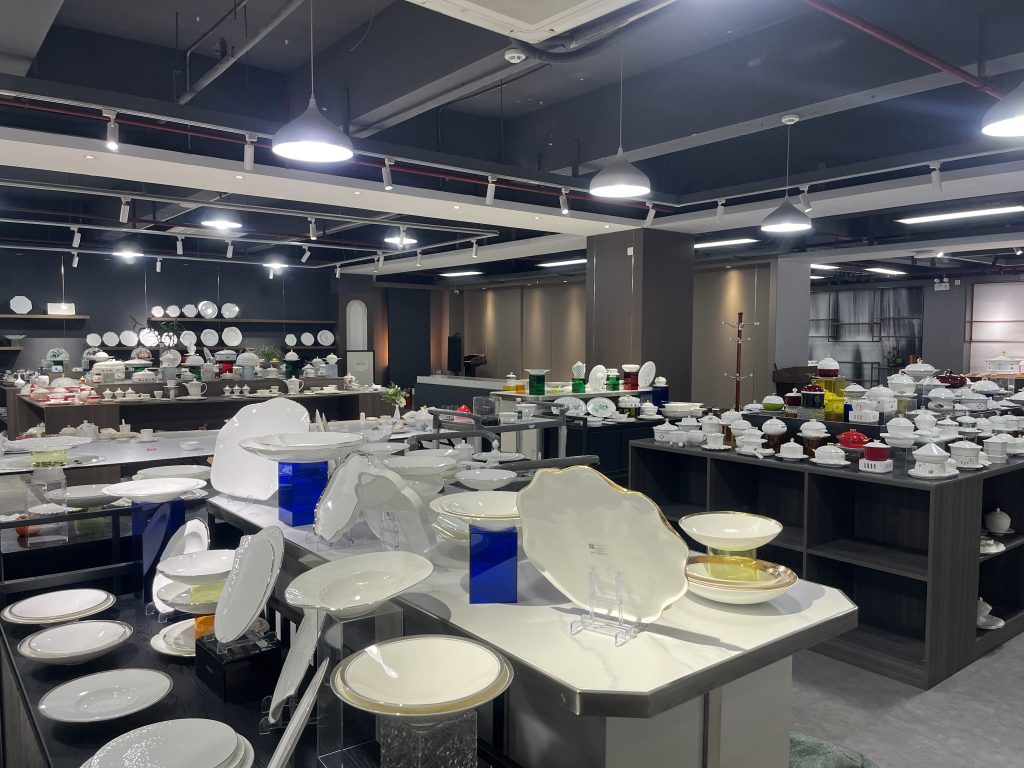
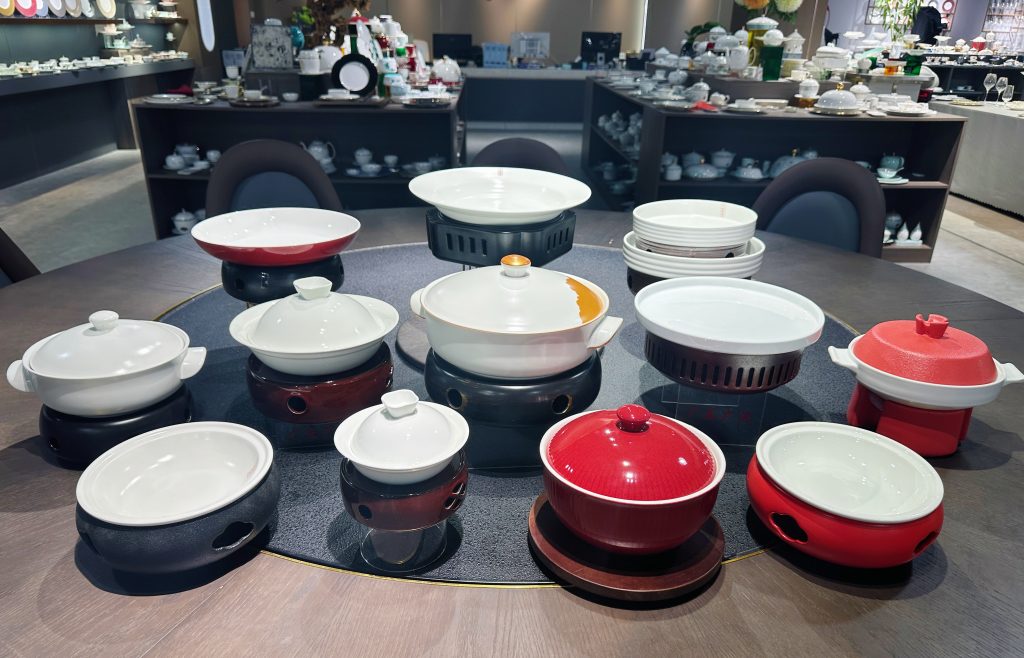
Lighting designed for ambience and maintenance (versus a contractor default) typically cuts relamping cost by 40-60% over five years. Tabletop specified for chip resistance and brand-true glaze cuts breakage by 18-25% per year. Together these line items are not huge individually, but on a 200-cover/day room they compound to $12-18k per year.
Lever 3 — Brand asset.
This is the soft one, but the numbers are real: a designed room scores 0.4-0.7 points higher on review platforms, and gets tagged in social posts at 2.5-4x the rate of a default room. We don’t claim direct causation, but the correlation is strong enough that brand teams now budget for ‘design-driven earned media’.
Payback window. On a typical 280sqm full-service restaurant, a professional design engagement with FF&E sourcing and install supervision pays back in 18-24 months on levers 1 and 2 alone. Lever 3 is upside.
Where it goes wrong: when the design is decoupled from supply. A beautiful render with no FF&E partner produces a room that opens late, over budget and looking nothing like the approved concept. The ROI math above only holds when design and supply are consolidated under one accountable team.