

Sustainability in Restaurant Design: Materials, Metrics, and What Buyers Want
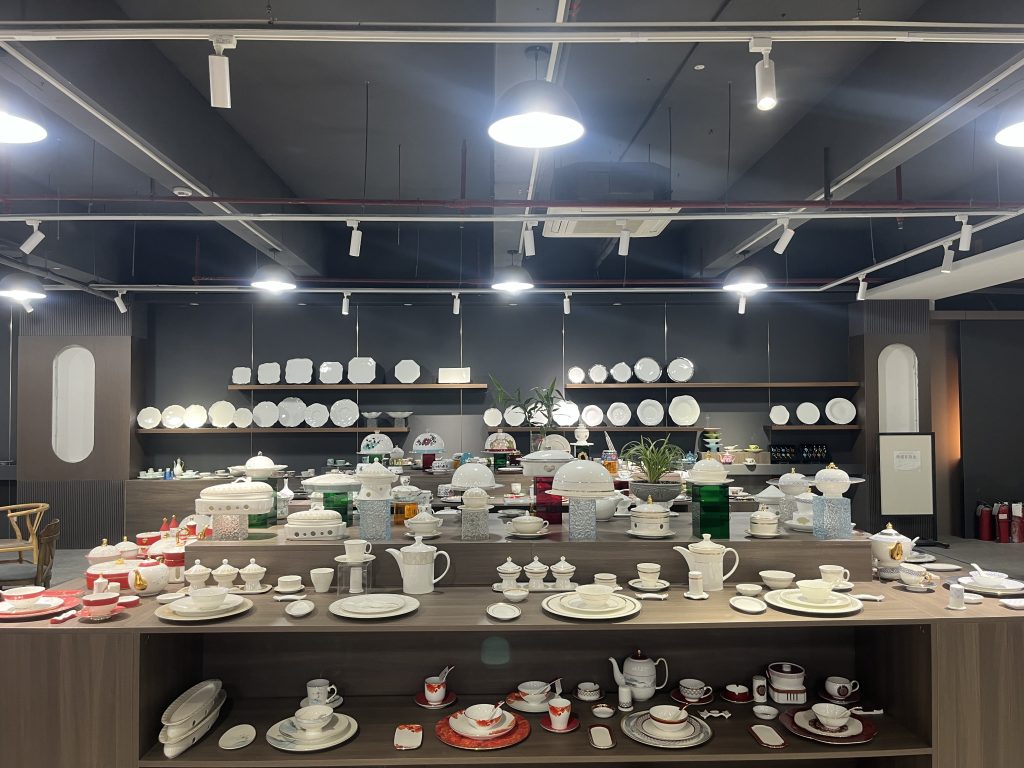
Hero caption: A ‘wild’ table setting — natural materials specified for honesty, not price.
Sustainability in restaurant design has moved past the ‘we used bamboo’ stage. In 2026, owners, landlords and brand teams are asking for metrics — and the metrics have to be real, not narrative.
Three metrics that actually matter:
1. Embodied carbon per cover.
A rough number: the kgCO2e embedded in the build and FF&E divided by the room’s cover capacity. A typical 200-cover restaurant built with default vendor sourcing sits around 380-450 kgCO2e per cover. Consolidated sourcing with local factories and standardized kits drops that to 220-280 kgCO2e per cover.
2. Material circularity.
What fraction of the FF&E and tabletop can be repaired, re-glazed, reupholstered or recycled at end-of-life? Generic imported furniture typically scores under 20%. Spec’d-to-factory furniture with replaceable components scores 55-70%.
3. Lead-time honesty.
A ‘sustainable’ product that ships by air freight from across the world is not sustainable. Local factory, sea freight, single container = the single biggest sustainability lever a restaurant project actually has.
What buyers want. Brand teams now ask for a one-page sustainability spec per project: embodied carbon per cover, material circularity %, factory locations, freight mode, and a list of materials that are repairable vs replaceable. That page is becoming a tender requirement in several markets — particularly in the EU and Australia.
The Restoriumspace angle. We don’t sell sustainability as a story; we sell it as the natural byproduct of consolidated sourcing. Five local factories, one container, repairable furniture and re-glazeable ceramic is not a marketing pitch — it is how the supply chain actually runs.