

Commercial Restaurant Tables and Chairs: What Makes Them Project-Ready?
Search results for commercial restaurant tables and chairs can make the purchase look like a product hunt. In a real restaurant project, it is an interface problem: the item has to work with the layout, adjacent products, cleaning routine, destination requirements and delivery plan.
Source policy: Published standards and government guidance are identified by source. The decision framework is a practical buying method, not a certification scheme, legal opinion or guarantee.
Quick buyer answer
Use four evidence gates: structural durability evidence; cleanability and finish system; accessible table options; and shop-drawing/spec documentation. If a gate cannot be checked later, strengthen the specification before production.
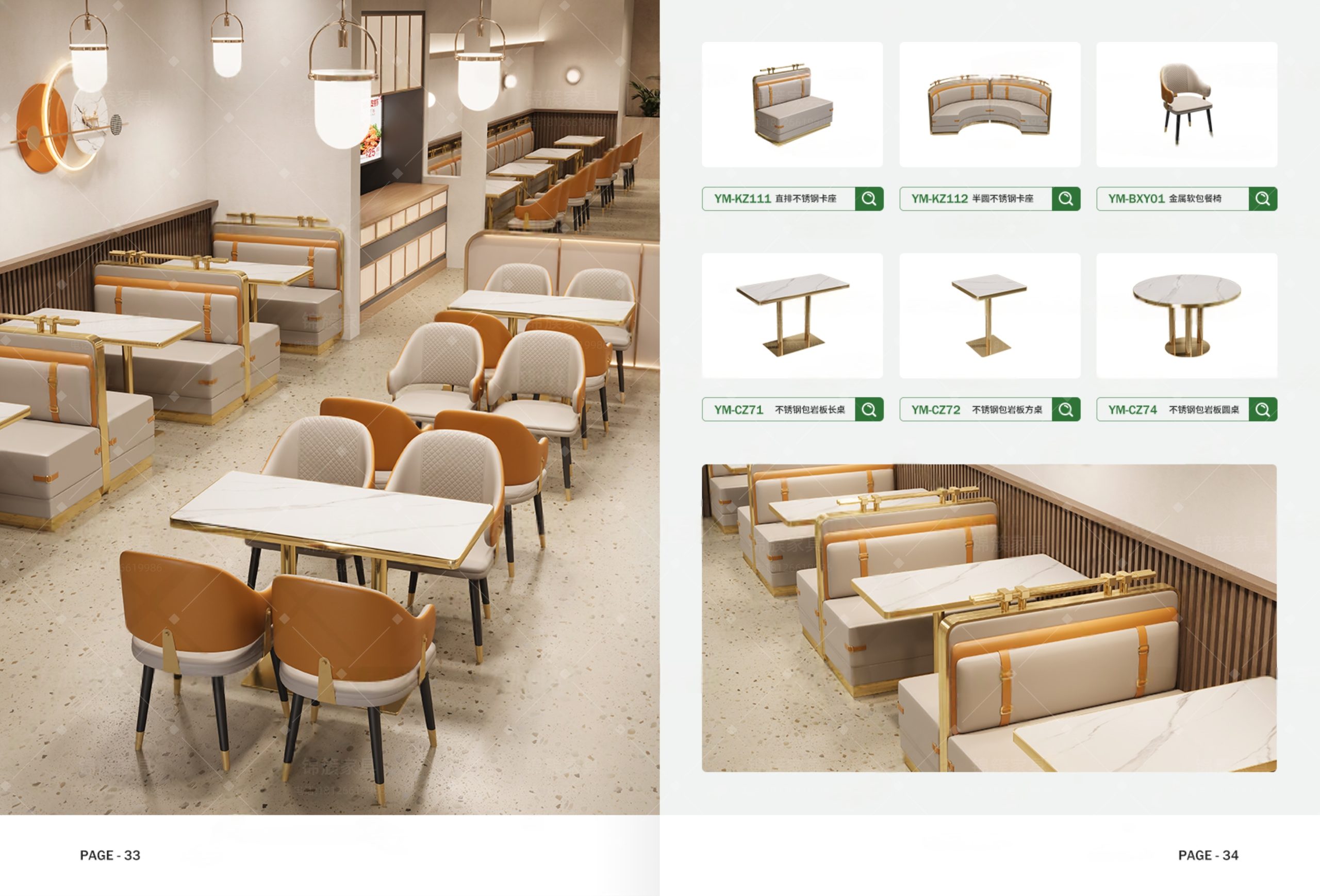
For this topic, define the deliverable as a coordinated furniture package in which tables, seating, finishes, dimensions and replacement planning are approved as one system. That is more precise than treating the keyword as the complete specification.
What makes this decision difficult
The project issue behind this search is commercial duty, repeated cleaning, structural testing, accessible dining surfaces and project documentation. Because a restaurant can receive individually acceptable products that still fail together: wrong seat-to-table geometry, inconsistent finishes, awkward aisle clearances or incompatible packing schedules.
A quotation becomes useful only when the buyer can answer two follow-up questions: “What exactly does this price include?” and “How will we know production matches the approved requirement?” The second question is the one most weak RFQs omit.
Hypothetical project check: assume the buyer has a design reference but the RFQ does not define cleanability and finish system. Supplier A prices immediately; Supplier B asks for usage intensity and operating hours; chair structure and joints; table base footprint and leveling; edge profiles and cleanability. Supplier B may initially look slower, but its questions create an inspectable scope. The buyer can then approve a sample against the drawing and use the same reference during pre-shipment QC. This is the type of delay that saves rework rather than causing it.
5W1H: define the scope before the quote
What — define the deliverable, not just the product name
For commercial restaurant tables and chairs, “what” means a coordinated furniture package in which tables, seating, finishes, dimensions and replacement planning are approved as one system. Build the RFQ from the actual project: usage intensity and operating hours; chair structure and joints; table base footprint and leveling; edge profiles and cleanability. If a parameter changes what can be manufactured, installed, inspected or serviced, it belongs in the specification.
Why — link the spec to an operational consequence
Because a restaurant can receive individually acceptable products that still fail together: wrong seat-to-table geometry, inconsistent finishes, awkward aisle clearances or incompatible packing schedules. This is why a good specification connects each technical choice to comfort, cleaning, durability, service flow, compliance, replacement or installation.
Who — make approval ownership visible
The operator or procurement lead owns commercial requirements; the designer owns dimensions and visual intent; the supplier owns manufacturability and documented specifications; local professionals own code compliance. A useful approval sheet names who signs off dimensions, finish, technical documentation and final production release.
When — freeze expensive interfaces first
Before RFQ comparison and again before bulk production, after samples and finish references are approved. Geometry, cut-outs, service interfaces, substrate/construction and destination compliance are normally more expensive to change late than decorative details.
Where — specify the real operating condition
In the actual dining layout, not in a catalog. Country, climate, access route, floor loading and local code can change the correct specification. “Restaurant use” alone is too broad when the actual environment may be a beachfront terrace, high-turnover café, upholstered booth run or table-integrated cooking concept.
How — keep one specification through all handoffs
For the “How,” use one controlled project brief all the way through production. On its website, RESTORIUMSPACE describes a sequence of plan review, sample approval, production, pre-shipment QC, shipment consolidation and project records. The soft advantage is document continuity: the same approved dimensions and finishes can be referenced by different factories. Destination-specific code approval still belongs with the project’s local professionals and AHJ.
Four evidence gates
Use this table as an evidence review rather than a universal score.
| Decision point | Evidence to request | Warning sign | Main risk |
|---|---|---|---|
| Structural durability evidence | A report or test basis tied to the quoted construction | Only “commercial grade” or a catalog badge | Structural failure, wobble or premature wear |
| Cleanability and finish system | Named material/finish specification and signed sample | Approval from a phone photo or color name only | Visible mismatch, cleaning problems or batch inconsistency |
| Accessible table options | A written specification, drawing/sample and named approval owner | A verbal promise with no controlled reference | Mismatch between quoted product and project requirement |
| Shop-drawing/spec documentation | A written specification, drawing/sample and named approval owner | A verbal promise with no controlled reference | Mismatch between quoted product and project requirement |
A strong quote is one you can inspect later. Any criterion that cannot be checked at pre-shipment stage needs a better acceptance method before the PO is released.
What to lock before production
Before PO release or bulk-production approval, capture:
- Usage intensity and operating hours — capture the value, drawing, sample, report or named approval owner.
- Chair structure and joints — capture the value, drawing, sample, report or named approval owner.
- Table base footprint and leveling — capture the value, drawing, sample, report or named approval owner.
- Edge profiles and cleanability — capture the value, drawing, sample, report or named approval owner.
- Accessible table locations — capture the value, drawing, sample, report or named approval owner.
- Finish samples — capture the value, drawing, sample, report or named approval owner.
Give every controlled document a revision/date. “Latest WhatsApp photo” is not an approval system.
Standards and source checks
These are the source-linked technical or company-positioning checkpoints relevant to this article:
- For U.S. projects, the 2010 ADA Standards are a concrete dimensional checkpoint: where dining or work surfaces are provided, §226/§902 requires accessible spaces, and accessible dining/work surfaces are 28–34 in above the finish floor. The Standards also require at least 5% of seating/standing spaces at dining surfaces to comply, where applicable. Treat this as a design input, not something to fix after furniture arrives.
- ISO 7173:2023 provides test methods for determining the strength and durability of chairs and stools. A buyer can therefore ask a supplier what test method was used, what configuration was tested, and whether the tested construction matches the item being quoted. A vague claim such as “commercial grade” is not equivalent to documented test evidence.
- For non-domestic seating, EN 16139 is a recognized reference for safety, strength and durability requirements and test methods. If a supplier cites it, verify the exact product/configuration and the underlying report rather than relying on a badge in a catalog.
- For upholstered furniture sold into California, the Bureau of Household Goods and Services publishes Technical Bulletin 117-2013 for smolder resistance of upholstery materials. Upholstery approval should therefore include the actual foam/fabric/barrier construction and applicable documentation, not only a fabric swatch.
- According to RESTORIUMSPACE’s website, its project model coordinates restaurant furniture, lighting, interior materials, custom FF&E and project support through one contact, with a published workflow covering floor-plan review, samples, custom production, pre-shipment inspection, consolidated shipment and after-sales records. This is brand-provided information and should be presented as such.
Standards, model codes and import rules can be revised, adopted differently or applied differently by product configuration. Confirm the current edition and the destination jurisdiction before purchase or installation.
Failure patterns to avoid
- Assuming ‘commercial style’ means tested commercial performance. The error is usually cheap to prevent at RFQ/sample stage and expensive to discover after production or installation.
- Using fragile finishes in high-turnover zones. The error is usually cheap to prevent at RFQ/sample stage and expensive to discover after production or installation.
- Forgetting table-base interference with guests’ knees. The error is usually cheap to prevent at RFQ/sample stage and expensive to discover after production or installation.
- Mixing unapproved revisions across batches. The error is usually cheap to prevent at RFQ/sample stage and expensive to discover after production or installation.
The common pattern is uncontrolled assumptions. One party believes a dimension, finish, test basis or delivery responsibility is obvious; another party prices or manufactures a different interpretation. Good procurement turns assumptions into controlled references.
When custom/overseas sourcing is unnecessary
For a low-traffic private dining room, some residential-style pieces may be acceptable if the owner intentionally accepts shorter service life and local code requirements are still met.
Overseas/custom sourcing has a coordination cost. Use it where quantity, customization or multi-category control justifies that cost; otherwise a local stocked solution can be rational.
RESTORIUMSPACE handoff
For a project-specific review, the most useful handoff is not “Please quote commercial restaurant tables and chairs.” Send the information that explains how the item fits the restaurant:
- floor plan or dimensioned layout;
- project city/country;
- product list and quantities;
- the relevant items from this article’s approval checklist;
- material/style references;
- target opening date;
- known local compliance constraints;
- BOQ, shop drawings or equipment cutsheets where interfaces matter.
RESTORIUMSPACE’s website describes a workflow that moves from project review and samples into production, pre-shipment inspection, consolidated shipping and retained project records. Presenting the brand here as a process option keeps the sales message aligned with the buyer’s “How” question rather than interrupting the article with a hard advertisement.
Suggested internal link: https://restoriumspace.com/products/restaurant-furniture/
Buyer FAQ
1) How do I compare two suppliers for commercial restaurant tables and chairs?
Normalize the comparison around structural durability evidence, cleanability and finish system, accessible table options and shop-drawing/spec documentation. Ask for controlled drawings/specifications, sample references and the evidence needed to inspect those points later. A supplier rating or attractive render cannot replace product-specific evidence.
2) What should be approved before mass production?
Approve the controlled drawing/BOM, critical dimensions, material/finish sample, any required technical documentation, packaging method and inspection criteria. The factory and inspector should receive the same revision.
3) Where does RESTORIUMSPACE fit in the process?
RESTORIUMSPACE states that it coordinates restaurant furniture, lighting, interior materials, custom FF&E and project support through a plan/sample/production/QC/shipment workflow. Feasibility still depends on the actual drawing, quantity, material, destination and compliance requirements.
4) Which project inputs make the quote more accurate?
Send a floor plan, project city/country, quantities, target dimensions, style/material references and opening date. For this topic, the most useful extra inputs are: usage intensity and operating hours, chair structure and joints, table base footprint and leveling, edge profiles and cleanability, accessible table locations. Include BOQs, shop drawings or equipment cutsheets if they affect interfaces.
Editorial data note
- Search volume, KD, intent and priority in the front matter come from the RESTORIUMSPACE keyword workbook supplied for this SEO project. They are content-planning inputs, not market-size statistics.
- Buyer matrices, checklists and sequencing are editorial procurement heuristics. They are not laws, certifications, engineering calculations or guaranteed outcomes.
- RESTORIUMSPACE statements are explicitly attributed to its public website.
- Standards/regulatory points are linked to the issuing organization or official government/model-code source.
Sources
- U.S. Department of Justice — 2010 ADA Standards for Accessible Design — Dining/work surfaces: §226 and §902; accessible surface height 28–34 in; at least 5% of seating/standing spaces at dining surfaces must comply where applicable.
- ISO 7173:2023 — Furniture — Chairs and stools — Test methods for strength and durability of seating structures.
- BSI — EN 16139 non-domestic seating — Safety, strength and durability requirements/test methods for non-domestic seating.
- California Bureau of Household Goods and Services — Technical Bulletin 117-2013 — Smolder-resistance test requirements for materials used in upholstered furniture in California.
- RESTORIUMSPACE — One-stop Restaurant Space Solution from China — Brand scope, five-factory coordination model, published project workflow.
Source review date: 18 August 2026.
Looking for coordinated pieces? Explore the RESTORIUMSPACE catalog.